
Car insurance is one of the biggest recurring expenses for vehicle owners. The good news is that you don’t have to settle for high premiums. There are many legal and effective ways to reduce your car insurance costs while maintaining the protection you need. Insurance companies calculate premiums based on factors like your driving history, vehicle type, location, age, credit profile (where permitted), annual mileage, and coverage choices. Understanding these factors can help you make smarter decisions and save hundreds of dollars each year.
Whether you’re a new driver, an experienced motorist, or someone renewing an existing policy, these proven strategies can help you lower your premium without taking unnecessary risks.

Compare Quotes from Multiple Insurance Companies
Comparing car insurance quotes from multiple insurance companies is one of the easiest and most effective ways to lower your car insurance premium legally. Every insurer uses its own pricing formula, so the same driver with the same vehicle can receive very different premium rates. Spending a few minutes comparing policies could help you save hundreds of dollars each year while keeping the same level of protection.
Here are the key factors to compare before choosing a policy:
- Compare Coverage Limits: Ensure each quote includes the same liability, collision, comprehensive, and uninsured motorist coverage so you’re making a fair comparison.
- Check Deductibles: A higher deductible usually lowers your premium, but make sure it’s an amount you can afford if you need to file a claim.
- Review Optional Add-Ons: Compare extras like roadside assistance, rental car reimbursement, accident forgiveness, and gap insurance to determine if they’re worth the additional cost.
- Look for Available Discounts: Ask about safe driver discounts, multi-policy discounts, good student discounts, low-mileage discounts, and bundling offers that can significantly reduce your premium.
- Research Customer Satisfaction: Read reviews, claims satisfaction ratings, and financial strength reports to ensure the insurer provides reliable service when you need it most.
- Compare Annually: Car insurance rates change regularly due to market conditions and personal factors. Comparing quotes every renewal period helps you find the best car insurance rates and maximize your savings.
By regularly comparing auto insurance quotes, you can secure affordable car insurance, reduce unnecessary costs, and enjoy the best value without sacrificing essential coverage. This simple habit is one of the smartest ways to save money on car insurance in 2026 while staying fully protected.
Increase Your Deductible
A deductible is the amount you pay out of pocket before your insurance company covers a claim.
For example:
| Deductible | Estimated Premium |
|---|---|
| $250 | Higher |
| $500 | Moderate |
| $1,000 | Lower |
Choosing a higher deductible can significantly reduce your monthly or annual premium. However, only increase it if you can comfortably afford the deductible in the event of an accident.
Maintain a Clean Driving Record
Maintaining a clean driving record is one of the most effective ways to lower your car insurance premium legally. Insurance companies assess your driving history to determine how likely you are to file a claim. Drivers with fewer violations and accidents are considered lower risk, making them eligible for lower car insurance rates, safe driver discounts, and better policy options. Developing safe driving habits not only protects you on the road but can also lead to significant savings on your auto insurance premium over time.

Here are the key ways to maintain a clean driving record:
- Avoid Speeding Tickets: Speeding violations can increase your insurance premium for several years. Always obey speed limits and adjust your speed based on weather and road conditions.
- Drive Responsibly: Avoid reckless driving behaviors such as aggressive lane changes, tailgating, distracted driving, or using your phone while driving. Safe driving reduces the risk of accidents and costly claims.
- Never Drive Under the Influence (DUI): DUI convictions often result in substantial premium increases, policy cancellations, or difficulty finding affordable coverage. Always choose a designated driver or rideshare if you’ve been drinking.
- Prevent At-Fault Accidents: Maintain a safe following distance, stay alert, and follow traffic laws to reduce the likelihood of causing an accident. Fewer claims help keep your car insurance costs low.
- Follow Traffic Laws Consistently: Running red lights, ignoring stop signs, and frequent traffic violations can negatively impact your driving record and increase insurance rates.
Many insurers also reward accident-free drivers with safe driver discounts after three to five years of claim-free driving. Some companies even offer usage-based insurance programs that monitor safe driving habits and provide additional savings. By maintaining a clean driving record, you can qualify for the best car insurance rates, enjoy long-term premium reductions, and protect both your finances and your driving reputation.
Bundle Multiple Insurance Policies
Bundling multiple insurance policies is one of the smartest and most effective ways to lower your car insurance premium legally. Many insurance companies offer a multi-policy discount when you purchase more than one type of insurance from the same provider. Instead of buying separate policies from different insurers, combining them under one company can help you save 10% to 25% on your premiums while simplifying policy management. Besides saving money, bundling often provides added convenience with a single renewal date, one monthly payment, and a dedicated customer support team.

Here are the most common insurance policies you can bundle:
- Auto and Home Insurance: Combining your car insurance with homeowners insurance is one of the most popular bundling options. Many insurers reward customers with significant discounts for protecting both their vehicle and home under one policy.
- Auto and Renters Insurance: If you rent your home or apartment, bundling renters insurance with auto insurance is an affordable way to reduce your overall insurance costs while protecting your personal belongings.
- Auto and Condo Insurance: Condo owners can often qualify for valuable multi-policy discounts by purchasing condo insurance and car insurance from the same provider.
- Auto and Life Insurance: Some insurers offer additional savings when you combine life insurance with your auto insurance policy, making it easier to manage your family’s financial protection.
- Multiple Vehicle Insurance: Insuring two or more vehicles under one policy may qualify you for a multi-car insurance discount, further reducing your premium.
Before bundling, always compare insurance quotes from multiple providers. While bundling can offer substantial savings, it’s important to ensure the combined policy provides the best coverage, competitive rates, and the benefits you need. Choosing the right bundle can help you enjoy affordable car insurance, maximize available discounts, and simplify your insurance management while keeping your financial protection strong.
Take Advantage of Available Discounts
One of the easiest ways to lower your car insurance premium legally is by taking advantage of the various car insurance discounts offered by insurance companies. Many drivers pay more than necessary simply because they are unaware of the savings they qualify for or forget to ask their insurer about available discounts. Since every insurance provider has its own discount programs, it’s worth reviewing your policy regularly and asking for a complete list of eligible savings. Combining multiple discounts can significantly reduce your auto insurance premium while maintaining the same level of coverage.
Here are some of the most common car insurance discounts you should look for:
- Safe Driver Discount: Drivers with a clean driving record and no recent accidents or traffic violations often qualify for lower insurance rates. Maintaining safe driving habits can help you earn long-term savings.
- Defensive Driving Course Discount: Completing an approved defensive driving course demonstrates responsible driving skills and may qualify you for additional premium reductions.
- Good Student Discount: Many insurers reward students who maintain strong academic performance with lower car insurance rates, as they are often considered more responsible drivers.
- Military Discount: Active-duty military personnel, veterans, and their families may be eligible for exclusive insurance discounts from participating providers.
- Senior Driver Discount: Experienced drivers over a certain age who maintain a safe driving history may qualify for reduced insurance premiums.
- Low-Mileage Discount: If you drive fewer miles than the average motorist each year, you may qualify for a low-mileage car insurance discount, reducing your overall premium.
- Multi-Vehicle Discount: Insuring two or more vehicles under the same policy can lead to significant savings through a multi-car insurance discount.
- Paperless Billing and Automatic Payment Discounts: Choosing electronic statements and automatic payments can help reduce administrative costs, and many insurers pass these savings on to customers.
- Vehicle Safety Feature Discount: Cars equipped with advanced safety features such as anti-lock brakes, automatic emergency braking, airbags, anti-theft systems, and lane departure warning technology may qualify for lower auto insurance premiums.
Before renewing your policy, contact your insurance company and request a full review of all available discounts. Taking advantage of every eligible car insurance discount can help you secure affordable car insurance, reduce your annual insurance costs, and maximize your savings without sacrificing essential coverage.
Improve Your Credit Score (Where Allowed)
Improving your credit score can be an effective way to lower your car insurance premium legally in many parts of the United States. Several insurance companies use a credit-based insurance score—along with factors such as your driving record, age, location, and claims history—to estimate the likelihood of future insurance claims. Drivers with strong credit histories are often viewed as lower-risk customers and may qualify for lower auto insurance rates and exclusive discounts. However, it’s important to note that some U.S. states, including California, Hawaii, Massachusetts, and Michigan, restrict or prohibit insurers from using credit information when determining car insurance premiums.

Here are some practical ways to improve your credit score and potentially reduce your insurance costs:
- Pay Bills on Time: Your payment history is one of the biggest factors affecting your credit score. Paying credit cards, loans, and utility bills before the due date helps build a positive credit history.
- Reduce Credit Card Balances: Keeping your credit utilization ratio below 30% of your available credit limit can improve your score and demonstrate responsible financial management.
- Avoid Unnecessary Debt: Applying for multiple loans or credit cards within a short period may lower your credit score. Only borrow when necessary and manage existing debt responsibly.
- Check Your Credit Report Regularly: Review your credit reports for errors, inaccurate accounts, or fraudulent activity. Correcting mistakes can improve your credit score and prevent unnecessary increases in your insurance premium.
- Maintain Long-Term Credit Accounts: Keeping older credit accounts open helps establish a longer credit history, which can positively impact your overall credit score.
- Limit New Credit Applications: Every hard credit inquiry may temporarily reduce your score. Apply for new credit only when it is truly needed.
While improving your credit score can help you qualify for cheaper car insurance in many states, it should never be the only strategy for reducing your premium. Combine good credit habits with safe driving, comparing car insurance quotes, bundling insurance policies, and taking advantage of available discounts to maximize your savings. By maintaining both a strong financial profile and a clean driving record, you can enjoy affordable car insurance and long-term financial benefits.
Drive Fewer Miles
Lower annual mileage generally means lower accident risk.
If you:
- Work from home
- Use public transportation
- Carpool
- Drive occasionally
You may qualify for a low-mileage discount.
Some insurers also offer pay-per-mile insurance for infrequent drivers.
Choose the Right Vehicle
Your vehicle has a major impact on insurance costs.
Cars that usually cost less to insure include those with:
- Excellent safety ratings
- Affordable repair costs
- Lower theft rates
- Moderate engine sizes
- Advanced safety technology
Sports cars, luxury vehicles, and high-performance models generally have much higher insurance premiums.
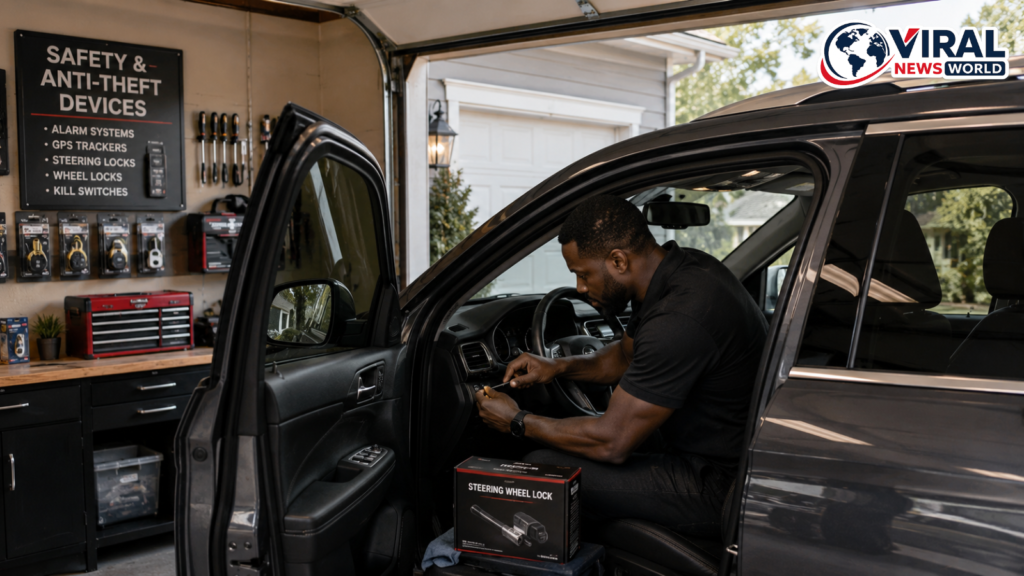
Install Safety and Anti-Theft Devices
Modern safety technology reduces accident risk and theft claims.
Features that may qualify for discounts include:
- Anti-lock brakes
- Electronic stability control
- Adaptive cruise control
- Automatic emergency braking
- Lane departure warning
- GPS tracking
- Vehicle immobilizers
- Anti-theft alarms
Always inform your insurer about installed safety equipment.
Review Your Coverage Regularly
Many people continue paying for coverage they no longer need.
Consider reviewing:
- Collision coverage on older vehicles
- Comprehensive coverage limits
- Rental reimbursement
- Roadside assistance
- Optional endorsements
If your car’s value has dropped significantly, reducing certain optional coverages may lower your premium while still maintaining essential protection.
Avoid Small Claims
Filing multiple minor claims may increase future premiums.
If repair costs are only slightly above your deductible, paying out of pocket may be more economical in the long run.
Always compare:
- Repair cost
- Deductible
- Potential future premium increases
before filing a claim.
Consider Usage-Based Insurance
Many insurers now offer telematics programs that monitor driving behavior through a mobile app or plug-in device.
Safe driving habits such as:
- Gentle braking
- Smooth acceleration
- Limited nighttime driving
- Low mileage
can lead to significant discounts over time.
Pay Your Premium Annually
Monthly installment plans sometimes include processing or finance fees.
If possible, paying your premium in full annually can reduce your total insurance cost.
Remove Unnecessary Drivers
Review everyone listed on your policy.
If someone no longer drives your vehicle regularly, removing them from the policy could reduce your premium, depending on your insurer’s rules and household requirements.
Keep Continuous Insurance Coverage
Allowing your policy to lapse can increase future insurance costs.
Maintain continuous coverage even when switching insurance companies to avoid higher rates.
Common Mistakes That Increase Car Insurance Premiums
Avoid these costly errors:
- Choosing the cheapest policy without comparing coverage
- Underestimating annual mileage
- Forgetting to update discounts
- Filing unnecessary small claims
- Letting your insurance lapse
- Ignoring renewal quotes
- Buying a high-risk vehicle without checking insurance costs first
Expert Tips
- Compare quotes every renewal period.
- Review your policy at least once a year.
- Ask for every available discount.
- Maintain excellent driving habits.
- Consider higher deductibles if financially comfortable.
- Bundle policies whenever possible.
- Keep your credit profile healthy where applicable.
- Update your insurer whenever your driving habits change.
Frequently Asked Questions
How much can I legally lower my car insurance premium?
Many drivers save 10% to 40% by combining multiple strategies such as shopping around, increasing deductibles, bundling policies, and qualifying for discounts. Actual savings vary by insurer, location, and driving profile.
Does switching insurance companies hurt my coverage?
No. As long as the new policy begins before the old one ends and provides the coverage you need, switching insurers is perfectly legal and often results in lower premiums.
Is raising my deductible always a good idea?
Not necessarily. A higher deductible lowers your premium but increases your out-of-pocket costs if you need to file a claim. Choose a deductible you could realistically afford in an emergency.
Can a defensive driving course reduce my premium?
Yes. Many insurers offer discounts to drivers who complete an approved defensive driving course, though eligibility and savings vary by state and insurer.
Does my car’s model affect insurance costs?
Absolutely. Vehicles with strong safety ratings, lower repair costs, and lower theft rates generally cost less to insure than luxury, sports, or high-performance cars.
Conclusion
Lowering your car insurance premium legally doesn’t require sacrificing essential protection. By comparing quotes, maintaining a clean driving record, choosing appropriate deductibles, taking advantage of discounts, and reviewing your coverage regularly, you can significantly reduce your insurance costs while staying fully protected. Small changes—such as driving fewer miles, bundling policies, or selecting a safer vehicle—can add up to meaningful savings over time. The key is to review your policy annually and ensure you’re paying only for the coverage and features you truly need.